

In the world of food processing, packaging plays a critical role in maintaining product quality, extending shelf life, and ensuring safety. Two essential types of packaging solutions include IQF filling packaging machines and cheese packaging solutions. Both are essential for handling specific types of food products and preserving their quality, but they serve distinct purposes. Understanding these technologies and how they benefit the food industry can significantly improve operational efficiency.
Understanding IQF Filling Packaging Machines
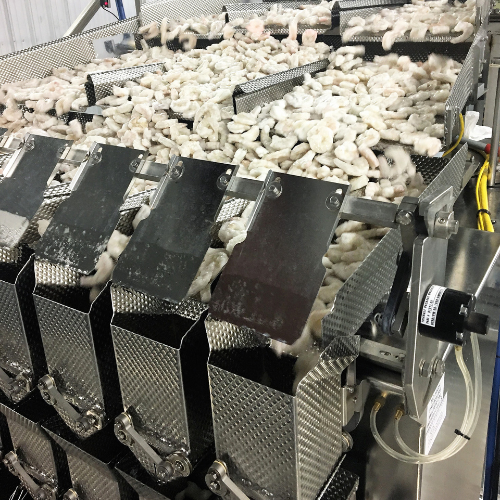
IQF, or Individually Quick Frozen, is a process that freezes food products rapidly, ensuring that each item remains separate and unaffected by clumping. IQF filling packaging machines play a vital role in this process. These machines are designed to handle delicate food products such as fruits, vegetables, seafood, and even meat. The ability to freeze food quickly while maintaining its individual integrity is a key factor in delivering high-quality frozen goods to consumers. These machines automatically fill packaging with individually quick-frozen products, ensuring consistent portion sizes and minimal waste.
How IQF Packaging Improves Food Preservation
One of the main reasons for using IQF filling packaging machines is their ability to preserve food products in their freshest form. By freezing products quickly and maintaining their shape, texture, and nutritional value, these machines provide an excellent solution for long-term storage. Consumers enjoy convenience without compromising quality, and manufacturers benefit from an efficient packaging process. The versatility of IQF packaging makes it suitable for a wide range of food types, from fruits and vegetables to meats and prepared meals.
Cheese Packaging Solutions for Optimal Freshness
When it comes to dairy products, particularly cheese, maintaining freshness and quality is essential. Cheese packaging solutions are designed to address the unique needs of the dairy industry. Proper packaging ensures that cheese retains its flavor, texture, and nutritional value. Whether dealing with soft cheeses, hard cheeses, or processed cheese, packaging solutions must be tailored to preserve the product’s moisture content and prevent spoilage. Advances in packaging technology have led to the development of vacuum-sealed pouches, modified atmosphere packaging (MAP), and protective wraps, all ensuring extended shelf life.
The Role of Packaging in Cheese Preservation
Cheese packaging solutions offer a variety of methods to keep products fresh and safe for consumption. Vacuum-sealing is one of the most effective techniques used for preserving cheese, as it removes air from the packaging and creates a sealed environment that limits bacteria and mold growth. Modified atmosphere packaging (MAP) introduces a controlled atmosphere inside the package to extend the product’s shelf life. These advanced packaging methods reduce food waste by allowing consumers to enjoy cheese for longer periods without compromising on taste or texture.
Efficiency in the Packaging Process
The integration of IQF filling packaging machines and cheese packaging solutions into a production line helps streamline food packaging processes. These machines are designed for speed and accuracy, minimizing the need for manual labor while improving overall efficiency. IQF machines ensure that frozen food products are packaged quickly and uniformly, maintaining high standards. Similarly, cheese packaging solutions use automated systems to ensure that each cheese product is packaged to preserve its freshness, reducing time and labor costs in the process.
Conclusion
Both IQF filling packaging machines and cheese packaging solutions represent vital technologies in the food industry, ensuring food products retain their quality and freshness while being packaged efficiently. These solutions play an integral role in enhancing food preservation, reducing waste, and improving packaging processes across various sectors. As the food industry continues to evolve, these technologies will be essential for maintaining product quality while also embracing sustainability. Embracing these packaging solutions is the key to staying ahead in a competitive market.

