
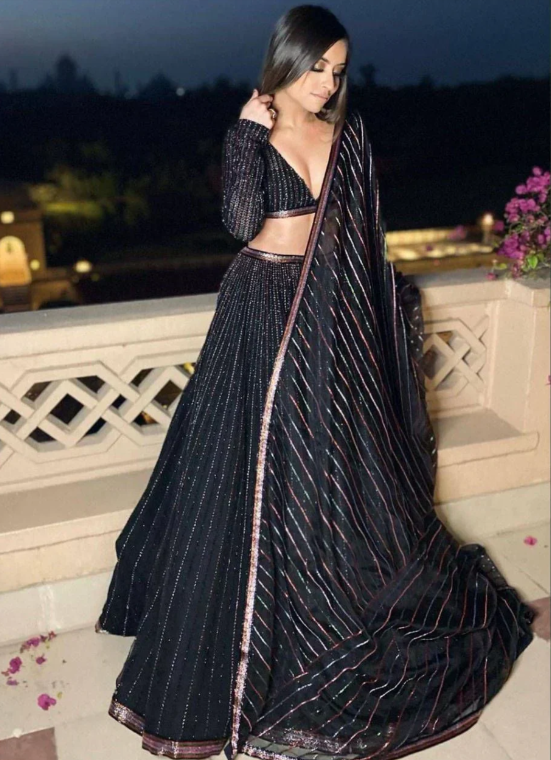
Color trends have always played a significant role in shaping fashion preferences. In ethnic wear, traditional palettes often dominated for decades, with bright and festive shades considered the standard choice for celebrations and special occasions. However, modern fashion is increasingly influenced by personal expression, evolving cultural attitudes, and global design trends. As a result, darker colors are gaining greater acceptance within ethnic wardrobes.
Among these emerging preferences, the Black Lehenga and Black Lehenga Choli have become symbols of contemporary style and individuality. Once viewed as unconventional for many festive settings, black has steadily transformed into one of the most sophisticated and sought-after colors in ethnic fashion. Its growing popularity reflects broader changes in how consumers approach tradition, style, and self-expression.
How Fashion Attitudes Toward Color Have Changed
Fashion is constantly evolving, and color preferences often reflect larger cultural shifts. In the past, ethnic wear was strongly associated with vibrant shades that symbolized celebration and tradition. While these colors remain important, modern consumers are increasingly exploring alternative palettes that align with their personal style.
This shift has expanded the role of darker tones in ethnic fashion. Colors that were once considered unconventional are now being embraced for their elegance and versatility.
The growing acceptance of black demonstrates how fashion continues to adapt to changing perspectives. Rather than replacing traditional colors, contemporary palettes are creating more options for consumers who value individuality.
Why Black Has Become a Fashion Statement
Black has long been associated with sophistication and timeless style in global fashion. Its ability to create a refined and polished appearance has made it a staple across different categories of clothing.
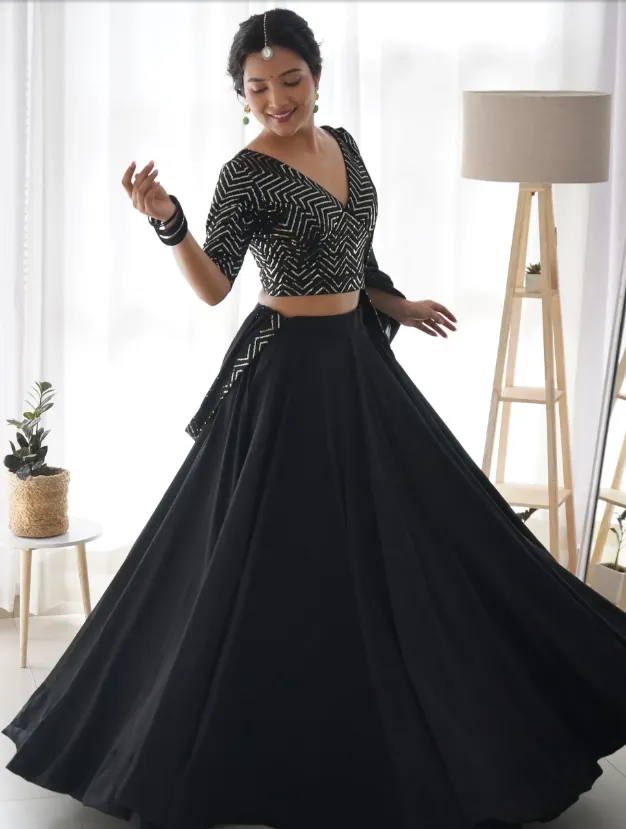
In ethnic wear, the Black Lehenga has emerged as a powerful example of this appeal. The color naturally enhances intricate embroidery, embellishments, and fabric textures, allowing craftsmanship to stand out without overwhelming the overall design.
Another reason for its popularity is its versatility. Black works effectively across a variety of aesthetics, ranging from minimalist elegance to elaborate occasion wear.
This adaptability has helped establish black as one of the most influential colors in contemporary ethnic fashion.
The Influence of Modern Fashion on Ethnic Wear
As fashion becomes increasingly interconnected, consumers are drawing inspiration from a wider range of styles and trends. This exchange of ideas has encouraged designers to experiment with color palettes that challenge conventional expectations.
The popularity of the Black Lehenga Choli reflects this evolution. Designers are reimagining traditional silhouettes through modern color choices, creating garments that feel both familiar and innovative.
Rather than altering the cultural significance of ethnic wear, these updates offer new ways to experience traditional fashion. The result is a broader spectrum of choices that appeal to diverse style preferences.
This openness to experimentation continues to shape the future of ethnic design.
Why Consumers Are Embracing Individuality
Modern fashion increasingly emphasizes personal expression. Consumers today are more likely to select clothing that reflects their personality rather than simply following established conventions.
Black has become a preferred choice for many women because it allows them to make a statement while maintaining elegance. Unlike trend-driven colors that may fluctuate in popularity, black consistently offers a sense of confidence and sophistication.
The rise of dark-toned ethnic wear highlights a broader movement toward individuality, where consumers feel empowered to explore options that align with their unique preferences.
This focus on self-expression is helping redefine contemporary fashion choices.
The Balance Between Tradition and Modernity
One of the most interesting aspects of ethnic fashion is its ability to evolve while preserving cultural connections. Traditional silhouettes continue to remain popular, but modern design elements introduce fresh perspectives that keep them relevant.
The Black Lehenga perfectly illustrates this balance. While the silhouette remains rooted in tradition, the color introduces a contemporary dimension that appeals to today’s consumers.
This combination of heritage and innovation allows ethnic wear to adapt to changing tastes without losing its identity.
As a result, darker color palettes are becoming an increasingly accepted part of festive and occasion dressing.
The Future of Dark Tones in Ethnic Fashion
The growing popularity of black suggests that darker shades will continue to play an important role in the future of ethnic wear. Consumers are becoming more open to experimenting with color, and designers are responding with collections that move beyond traditional expectations.
This trend is not limited to a single garment category. Across the fashion industry, dark tones are being incorporated into a variety of traditional styles, reflecting a broader appreciation for versatility and sophistication.
As preferences continue to evolve, black is likely to remain a key influence in contemporary ethnic fashion.
Final Thoughts
The rise of the Black Lehenga and Black Lehenga Choli reflects changing attitudes toward color in ethnic wear. Once considered unconventional for many occasions, black has emerged as a symbol of confidence, sophistication, and modern style.
Its growing acceptance highlights how fashion continues to evolve through personal expression and design innovation. By combining timeless elegance with contemporary appeal, black has secured its place within modern ethnic fashion, proving that tradition and individuality can successfully coexist in today’s evolving style landscape.